LP

Laser Print Marks

Precision marking, durable identification & custom engraving

High-precision laser marking & engraving engineered for permanence

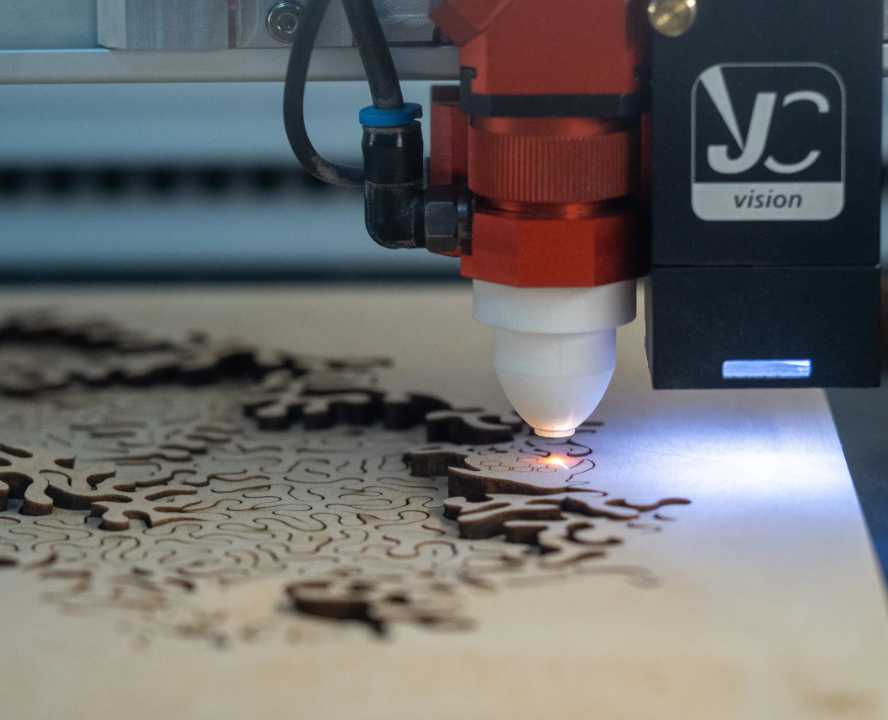
We deliver laser marking and engraving solutions tuned to material, application and longevity requirements. Using a mix of fiber and CO₂ lasers, we mark metals, polymers, composites, woods and coated surfaces with permanent identifiers, logos, UID codes and decorative engraving. Our work balances speed and contrast with substrate compatibility: marking parameters are set to achieve high legibility without undermining surface integrity. For industrial clients we offer serialized marking and traceability workflows; for designers and small brands we provide refined engraving for premium presentation. Every job is subject to a material-specific process sheet and a sample approval to ensure consistent results across runs.

Beyond standard marking we support functional processes: laser annealing for corrosion-resistant metals, color-marking for certain polymers, and micro-marking for precision components where mark size and tolerances are critical. Quality control includes magnified verification, contrast measurement and adherence to supplied artwork tolerances. For regulated industries we can apply tamper-evident marking strategies and durable UID codes compatible with barcode and 2D scanning systems.

Phone: +351964974515
Address: Coimbra, Portugal
Email: laserprintmarks@live.com
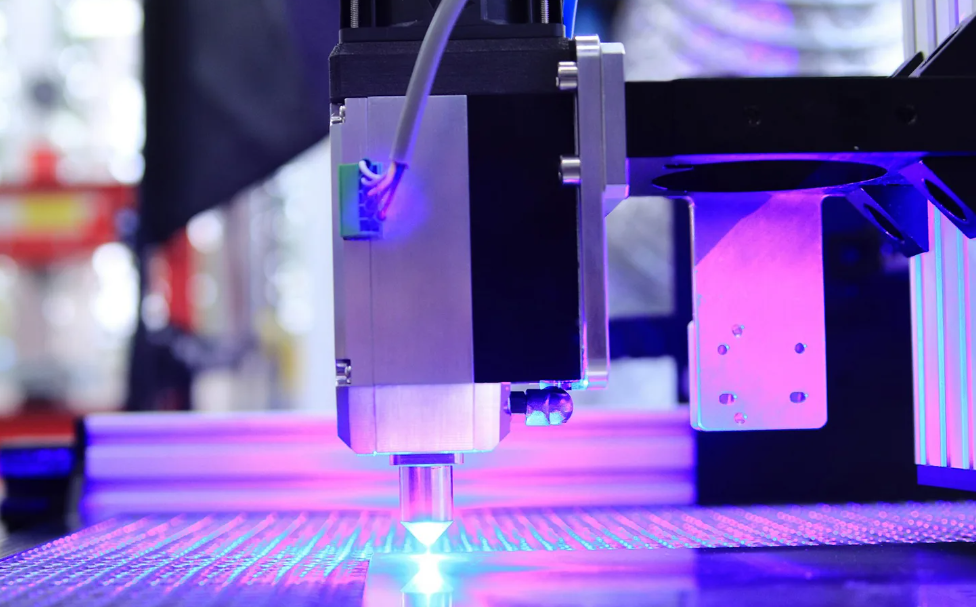
laser marking on metal component

Advantages — engineered durability and traceable quality

Read more
advantages overview: marked parts

Material-specific parameterisation for lasting contrast

Different substrates require tailored laser settings. We develop a material process sheet for each substrate class—specifying pulse duration, power, frequency and scan strategy—to create marks that deliver optimal contrast while avoiding substrate damage. For metals this may mean controlled micro-annealing or controlled oxidation, while for polymers we choose settings to avoid burn-through or structural weakening. Detailed records of chosen parameters are kept to ensure repeatability across future batches.

Traceability solutions with serialized UID and 2D codes

For manufacturing workflows that require tracking, we implement serialized marking schemes and 2D data matrix codes readable by common industrial readers. Marks are placed following part-level considerations for readability and durability, and we can integrate with client inventory systems to associate mark data with production metadata. This supports warranty tracking, recall workflows and regulatory compliance where item-level identification is necessary.

Low-run flexibility and rapid prototyping

We handle single-piece proofs through small-to-medium production runs without large setup costs. Rapid sample service enables clients to approve mark placement, contrast and aesthetic before a full run. This agility suits designers, makers and small manufacturers who require professional marking without minimums typical of other processes.

Durability testing and adhesion validation

Marks undergo durability checks including abrasion, salt-spray and solvent exposure where relevant. We test marks in simulated service conditions to validate that they retain legibility and adhesion characteristics required by the application, reducing field failures and maintaining legible identifiers over product lifetime.

High-resolution decorative engraving options

Beyond functional marking we provide fine decorative engraving with photorealistic results on select materials. This capability supports premium product lines, commemorative pieces and custom gifts where surface detail quality is paramount and tactile finish is a brand asset.

Process control and batch documentation

Each production run is accompanied by a process record capturing machine settings, operator, artwork version and photographic verification. This documentation supports quality audits, offers traceability for downstream stakeholders and simplifies reorders with exact replication of previous outputs.

About Us — combining engineering, materials science and craft

Our operation sits at the intersection of applied optics, materials knowledge and production discipline. Laser processes are not universal; understanding the interaction between beam characteristics and material microstructure is essential to achieve marks that are both aesthetically acceptable and technically durable. We maintain a library of tested parameters and past results that speeds onboarding of new materials and reduces experimental iterations. Our team includes technicians experienced with micron-scale positioning, artwork preparation specialists who optimize vector and raster data for laser workflows, and quality engineers who define acceptance criteria for contrast, readability and adhesion.

We work across diverse sectors: aerospace and industrial components that need permanent UID marks, medical device manufacturers requiring traceable identifiers, designer brands seeking high-fidelity engraving, and product developers testing small runs for market validation. Each sector brings different constraints—thermal sensitivity, surface coating considerations, or regulatory label permanence—and our process begins with a brief and sample validation to ensure the chosen marking approach satisfies those constraints.

Sustainability is considered in our operations: we recommend substrate combinations that withstand marking without the need for over-processing, and we manage waste responsibly. Where chemical post-treatments are required we use controlled handling and document disposal. For clients focused on long-term part life we provide guidance on mark placement to minimise exposure to wear and on sealing or coating strategies that enhance longevity when needed.

Our commitment is practical: reproducibility, clarity and a process that integrates with client manufacturing rhythms. For bespoke design requests we produce a visual proofing stage and engage with client teams to reconcile aesthetics and marking function, ensuring the final product satisfies both visual and operational expectations.
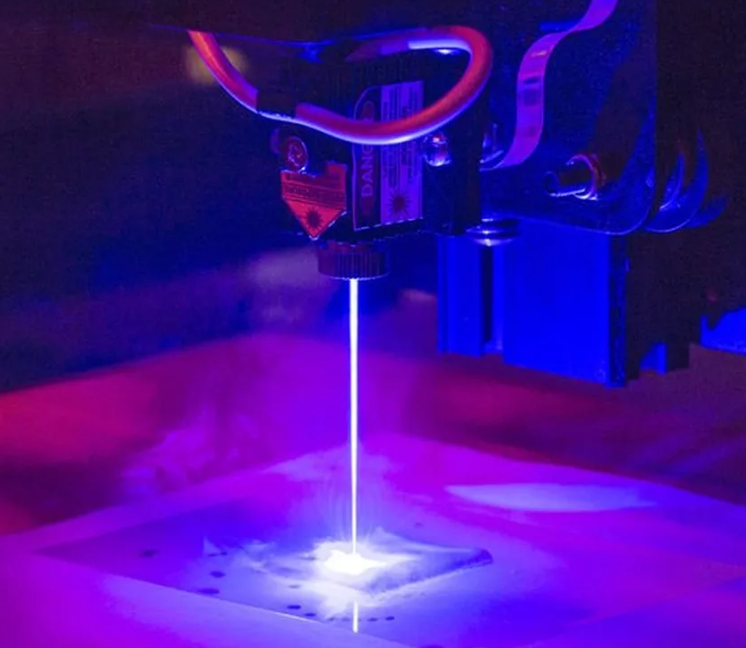
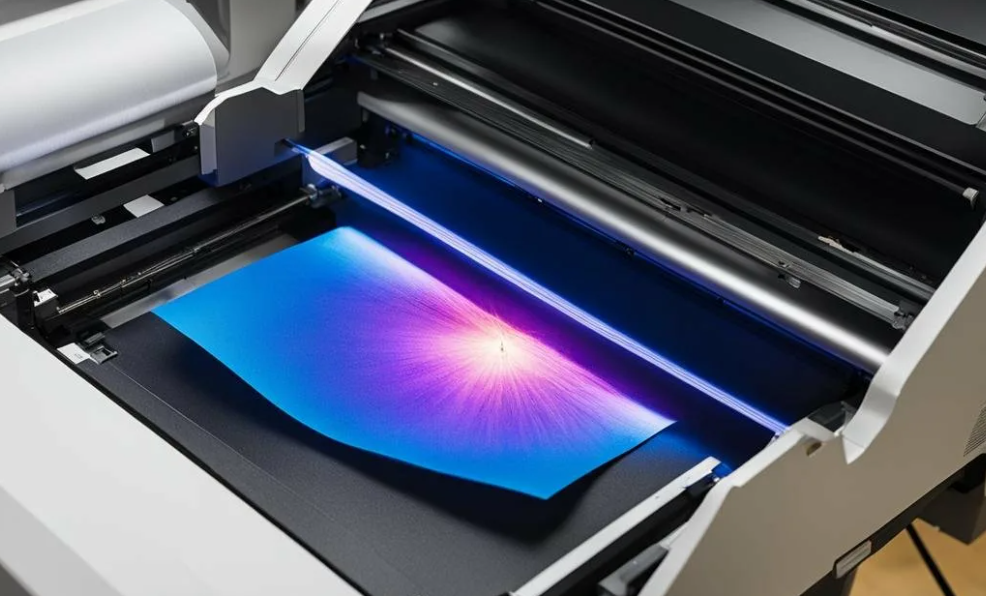
close-up of engraved pattern

Services — from sample proofing to serialized production

Artwork preparation & vector optimisation

We convert client artwork into machine-ready files, optimising vector paths for engraving and raster images for tone control. This stage includes kerf compensation for cut processes, path smoothing and nesting strategies for efficient marking.

Material trials & proof samples

Prior to full production we run sample proofs on representative substrates to verify contrast, tolerances and surface effects. Samples are photographed and tagged with process parameters so approved proofs can be reproduced exactly.

Serialized UID & batch marking

We implement serialized marking for part-level identification, including human-readable IDs, barcodes and 2D codes. Data integration options include CSV upload for batch processing or API integration for automated workflows.

Precision engraving & decorative marking

High-resolution engraving for decorative and tactile results on wood, leather and coated substrates. We adjust raster resolution and scanning strategies to balance speed and tonal smoothness.

Micro-marking & tight-tolerance jobs

For parts requiring very small marks we provide micro-marking capabilities with precise fixturing and high-stability jigs to maintain registration across runs.

Quality assurance & post-process verification

Final QA includes dimensional checks where applicable, photographic record keeping, and optional contrast measurement. We provide batch certificates and process logs on request to support traceability and compliance documentation.

Services image

service and production setup

How to start

1) Send a brief with material, artwork and quantities; 2) receive a sample quote and lead-time; 3) approve a sample proof; 4) schedule the production run. For serialized marking we offer secure data upload options and batch process templates to streamline production.

Turnaround & logistics

Typical sample turnaround is 2–5 business days depending on material and complexity; small runs usually complete within 5–10 business days. Shipping and kitting options are available for finished parts.